




• Inicio
  • ARTE
    • ARTES VISUALES
    • PORTFOLIOS
    • CRITICA
  • CONSULTA CLINICA
    • BIENVENIDX
    • CONTACTO
  • VIDEOS
  • LIBROS
  • BIO
  • Más
    • Inicio
    • ARTE
      • ARTES VISUALES
      • PORTFOLIOS
      • CRITICA
    • CONSULTA CLINICA
      • BIENVENIDX
      • CONTACTO
    • VIDEOS
    • LIBROS
    • BIO
  • Inicio
  • ARTE
    • ARTES VISUALES
    • PORTFOLIOS
    • CRITICA
  • CONSULTA CLINICA
    • BIENVENIDX
    • CONTACTO
  • VIDEOS
  • LIBROS
  • BIO

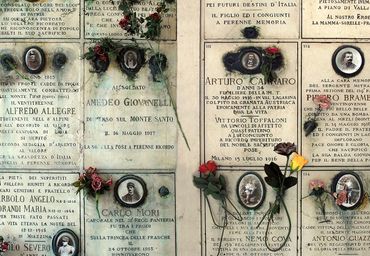
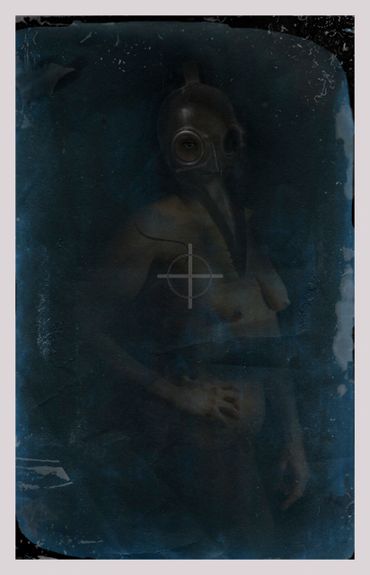
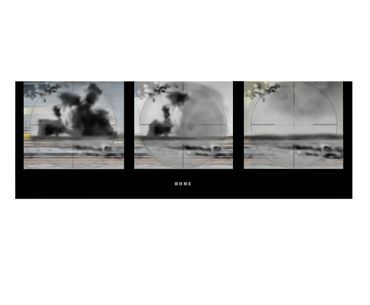
WAR / GUERRA

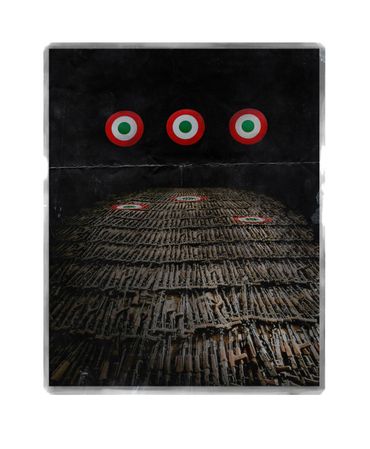
  (ES) En 1915, Sigmund Freud afirmó que la guerra despoja al ser humano de su civilización y revela su lado más primitivo. Umberto Eco sostenía que, pese a los cambios del mundo moderno, los conflictos siguen respondiendo a intereses de poder. Sun Tzu consideraba la guerra como una cuestión decisiva para la supervivencia de los pueblos. Frente a ello, la cultura —arte, literatura, música y teatro— representa el intento de construir una humanidad más consciente. Sin embargo, la guerra continúa siendo la máxima expresión de violencia y locura colectiva, impulsada por la ambición de dominio territorial, político y económico, dejando secuelas humanas y traumáticas que perduran por generaciones.


(EN) In 1915, Sigmund Freud stated that war strips human beings of their civilization and reveals their most primitive side. Umberto Eco argued that, despite the changes of the modern world, conflicts continue to respond to interests of power. Sun Tzu considered war a decisive matter for the survival of nations. In contrast, culture — art, literature, music, and theater — represents humanity’s attempt to build a more conscious society. Yet war remains the ultimate expression of violence and collective madness, driven by ambitions of territorial, political, and economic domination, leaving human and psychological scars that endure for generations.

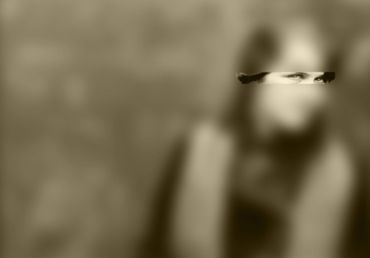
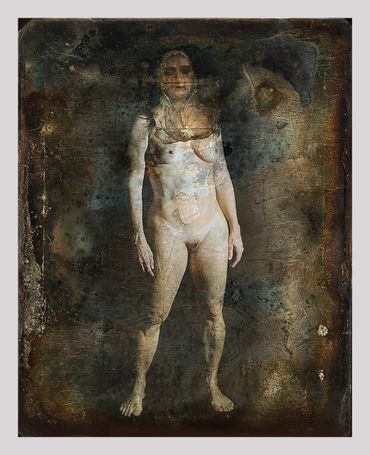
trouble minds

Trouble Minds


Just tell me you're going to put up with me. Put up with my confused mind, my annoying memory, my exaggerated sincerity. Put up with when I say that I love you more and also when I do not say that I love you. To put up and hold everything not for me, not for you ... But for us.


Mentes perturbadas


Sólo me hablas de que me vas a aguantar. Aguantar mi mente confusa, mi memoria molesta, mi sinceridad exagerada. Aguantar cuando hablo de que te amo más y también cuando yo no diga que te amo. Aguantar y sostener todo no por mí, ni por ti ... Pero por nosotros.

Mostrar más

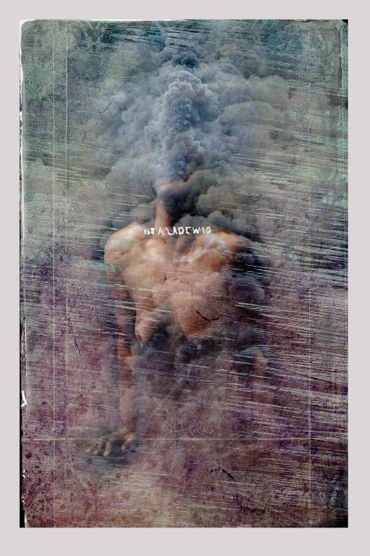
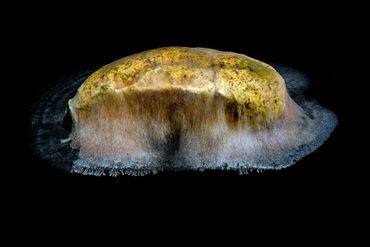
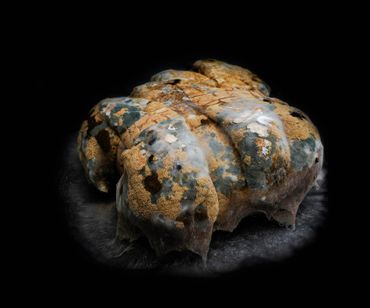
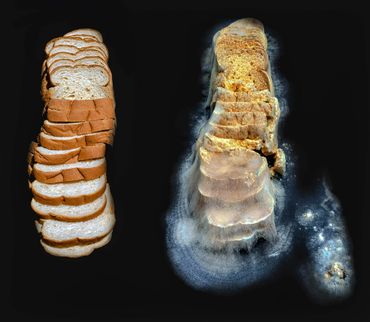
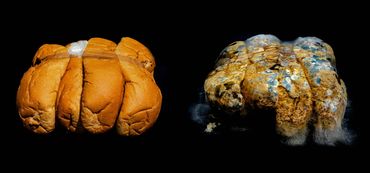
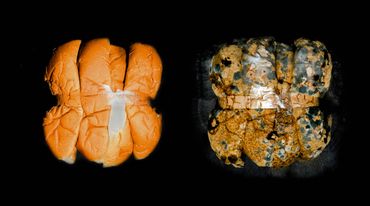
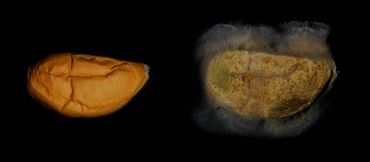
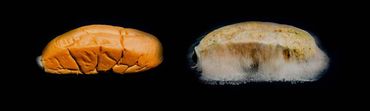
Efimerus

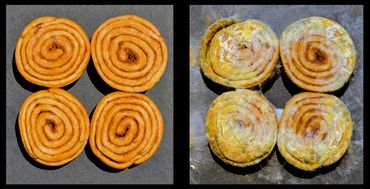
Perishable

Something perishable is likely to die or decay. Since perishing is dying, anything perishable could die or is likely to die. Unfortunately, people are perishable and most things in the world are too. 

Nothing lasts forever.  Whether you're talking about a perishable or something perishable, this word refers to something that just won't last.


Perecedero


Algo perecedero es probable que muera o se descomponga. Dado que perecer es morir, cualquier cosa perecedera puede morir o es probable que muera. Desafortunadamente, las personas son perecederas y la mayoría de las cosas en el mundo también lo son. Nada dura para siempre. Ya sea que se trate de un perecedero o algo perecedero, esta palabra se refiere a algo que simplemente no durará.

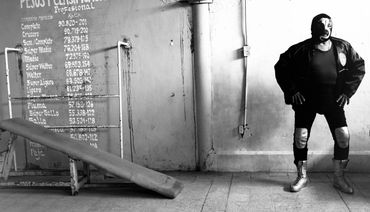
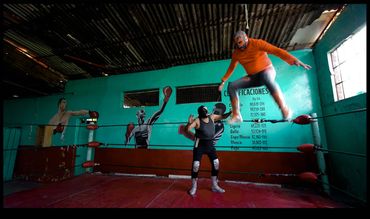
El Tepito, Mexico.

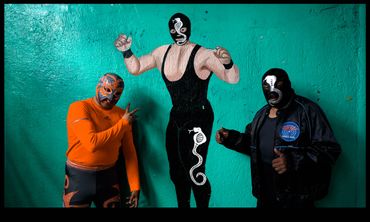
Tepito


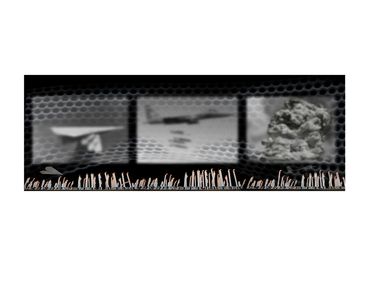
Tepito did not invent the plane or the computer but knows how to copy them.

Did not come from there the idea of ​​moon landing but can make a birth with leaves of corn. In manual work Tepito prints his activity something sacred, reverence in the face of adversity, but never resignation

What is reused, is rehabilitated, is copied, then sold Tepito is not a neighborhood of merchants but survivors `Arregárselas`,` going past`... they are not resignations but daily combats in a war that encompasses 36 blocks surrounded by their own myth: the city that gives them permission to subsist, but that every so often harasses them, declares them with some regularity, risky.

Hence the origin of his pride: if `Tepito` is` the small` in the name, it is not in the action, much less in the pride It is a neighborhood that grows to any adversity and never leaves. Stays.

In many ways, the imaginary of Mexico City comes from Tepito.

The idea of ​​subsistence as a struggle is a literal contribution: from the merchants who fill the streets with canvas to shelter them from the elements, even the boxers who grew up in the neighborhood to dramatize the struggle for existence, even the game as a game to obligate the opponent orally.


Tepito


Tepito no inventó el avión o la computadora, pero sabe copiarlos.

No provino de ahí la idea de alunizar, pero pueden hacer un nacimiento con hojas de maíz En el trabajo manual

Tepito le imprime a su actividad algo de sagrado, de reverencia ante la adversidad, pero nunca de resignación
Lo que se reutiliza, se rehabilita, se copia, para luego venderse Tepito no es un barrio de comerciantes sino de supervivientes `Arreglárselas`, `ir al pasando`..no son resignaciones sino combates cotidianos en una guerra que abarca 36 manzanas cercadas desde su propio mito: la ciudad que les da permiso de subsistir, pero que cada cierto tiempo los acosa, los declara con cierta regularidad, riesgosos
De ahí el origen de su orgullo: si `Tepito` es `lo pequeño` en el nombre, no lo es en la acción ni mucho menos en el orgullo Es un barrio que se crece a cualquier adversidad y nunca se va. Se queda
En muchos sentidos, el imaginario de la Ciudad de México proviene de Tepito.

La idea de la subsistencia como lucha es una aportación literal: desde los comerciantes que llenan de lonas a las calles para guarecerlas de la intemperie, hasta los boxeadores que criaron en el barrio para teatralizar el combate por la existencia, hasta el albur como juego para doblar oralmente al contrincante. 

INDIA: Varanasi

Aghori member

Varanasi Sacred City


Varanasi is the India of your imagination. One of the most colourful and fascinating places on earth, surprises abound around every corner. The land of Varanasi (Kashi) has been the ultimate pilgrimage spot for Hindus for ages. Often referred to as Benares, Varanasi is the oldest living city in the world. Hindus believe that one who is graced to die on the land of Varanasi would attain salvation and freedom from the cycle of birth and re-birth. Abode of Lord Shiva and Parvati, the origins of Varanasi are yet unknown. Ganges in Varanasi is believed to have the power to wash away the sins of mortals. 

Ganges is said to have its origins in the tresses of Lord Shiva and in Varanasi, it expands to the mighty river that we know of. The city is a center of learning and civilization for over 3000 years. With Sarnath, the place where Buddha preached his first sermon after enlightenment.

THE AGHORIS

Feared across India, the exiled Aghori monks of Varanasi feast on human flesh and reside near cremation sites in search of spiritual enlightenment.

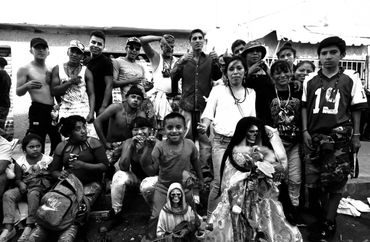
Showing the monks with painted faces and beads strung around their necks, I some spent time among the tribe members to discover more about their way of life.

The mysterious tribe members live in cemeteries and feast on human flesh as part of their rituals, as well as drinking from human skulls, chewing the heads off live animals and meditating on top of cadavers in search of spiritual enlightenment.


Varanasi Ciudad Sagrada


Varanasi es la India de tu imaginación. Uno de los lugares más coloridos y fascinantes de la tierra, las sorpresas abundan en cada esquina. La tierra de Varanasi (Kashi) ha sido el mejor lugar de peregrinación para los hindúes durante siglos. A menudo conocida como Benares, Varanasi es la ciudad viva más antigua del mundo. Los hindúes creen que uno que está agraciado por morir en la tierra de Varanasi lograría la salvación y la libertad del ciclo de nacimiento y renacimiento. Morada de Lord Shiva y Parvati, los orígenes de Varanasi son aún desconocidos. Se cree que Ganges en Varanasi tiene el poder de lavar los pecados de los mortales.

Se dice que el Ganges tiene sus orígenes en las trenzas del Señor Shiva y en Varanasi, se expande al poderoso río que conocemos. La ciudad es un centro de aprendizaje y civilización desde hace más de 3000 años. Con Sarnath, el lugar donde Buda predicó su primer sermón después de la iluminación.

LOS AGHORIS

Temidos en la India, los monjes Aghori exiliados de Varanasi se alimentan de carne humana y residen cerca de los sitios de cremación en busca de iluminación espiritual.

Mostrando a los monjes con rostros pintados y cuentas colgadas alrededor de sus cuellos. Pasé un tiempo entre los miembros de la tribu para descubrir más sobre su forma de vida.

Los miembros de la tribu misteriosa viven en los cementerios y se alimentan de carne humana como parte de sus rituales, además de beber de cráneos humanos, masticar cabezas de animales vivos y meditar sobre cadáveres en busca de la iluminación espiritual.

Mostrar más

in 20 / 20 out

Dead Row ( el corredor de la muerte)

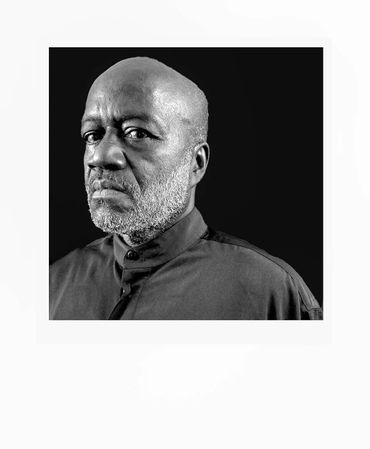
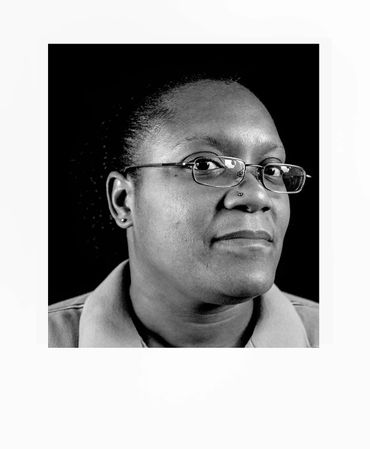
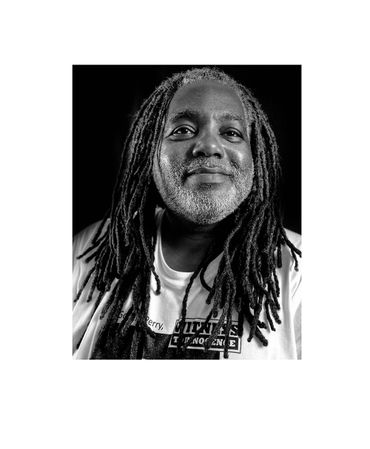
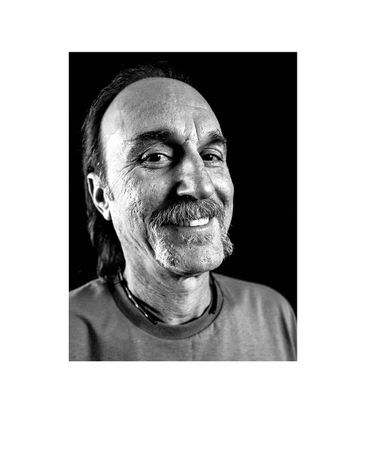
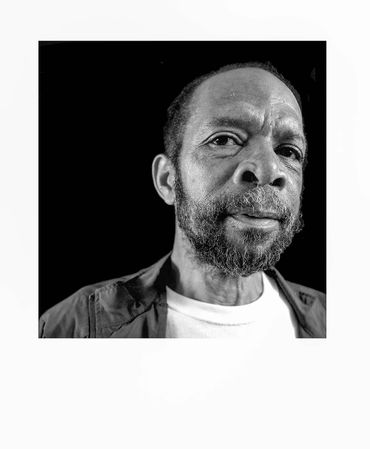
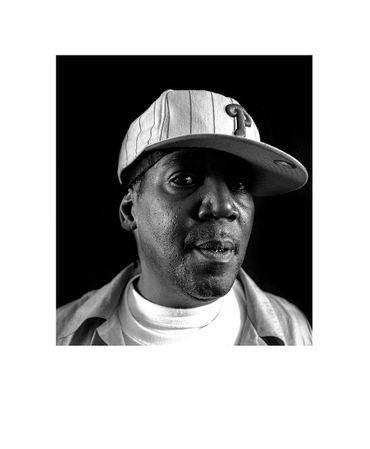
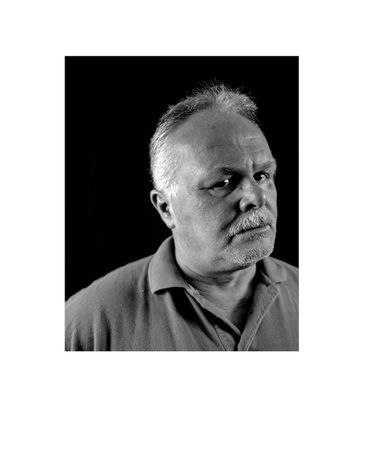
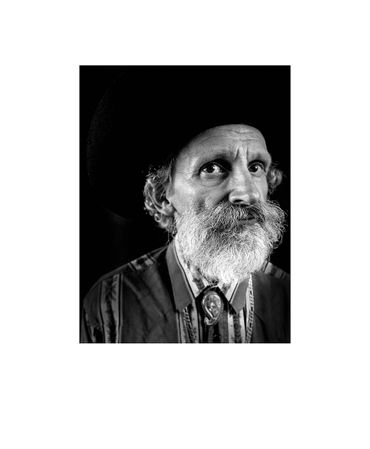
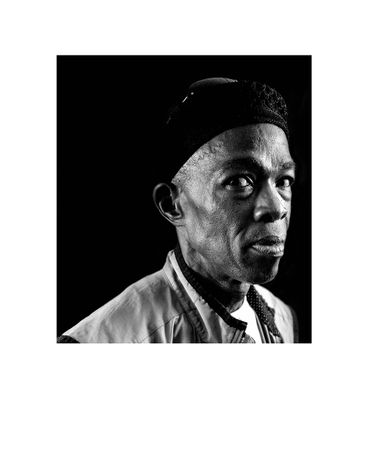
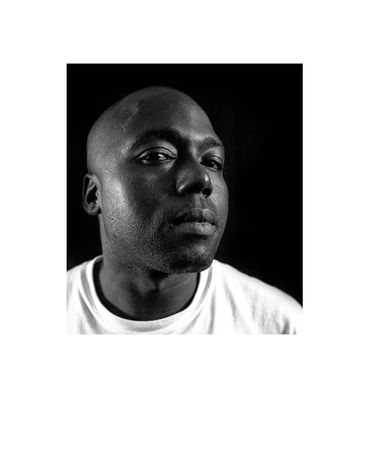
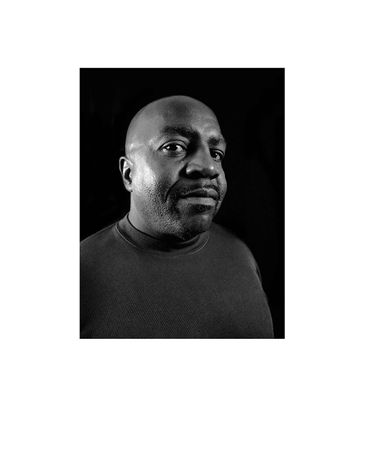
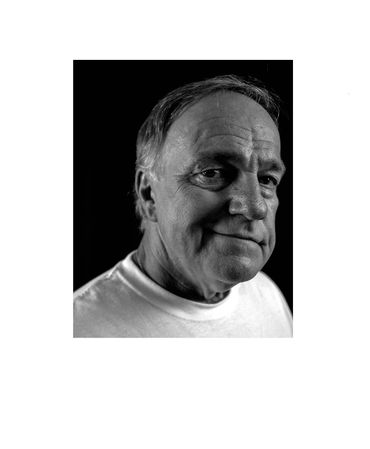
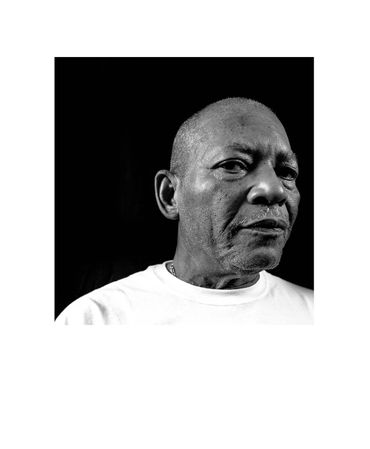
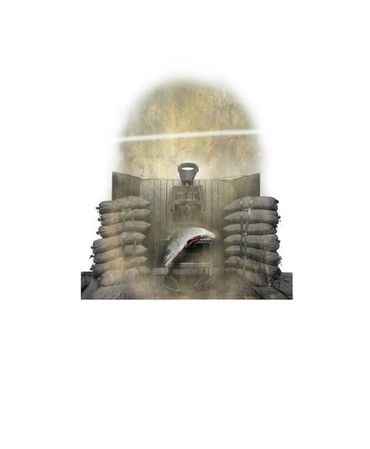
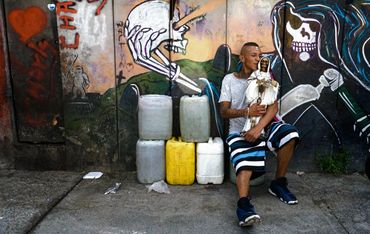
The portfolio, on  the death row “In 20 / 20 out” testifies to the daily life of the prisoners.

Those who "are inside" and those who "are outside." It assumes through the texts and speeches of each of the detainees the immense absurdity and madness of the system. All the portraits of the "ex Inmates" disturb from an immutable expression.

They are not victims who embody a final triumph of justice, they are defeated victims, but not overcome by a system of injustices and contradictions. It is the victim who pays with years of isolation, surviving, despite cruelties and pain. It is the victim who takes charge holding a fight to the end. It is the victim strengthened, rebellious "almost" until death. That communicates from its integrity, a lost ethics, forgotten. Even so, he endures affirming his course. A cry of warning that survives in human rights organizations that fight against the validity of the death penalty throughout the world. Each photo presents an area of ​​distaste known to have cheated death. Tiredness and exhaustion that returns to the viewer through the image and the manuscripts of the detainees.

The photographic series aims to address various problems related to the racist universe of the human species.


As  long as the death penalty is in place in the world, you are pretty much guaranteed to occasionally execute an innocent person.


El porfolio sobre, el corredor de la muerte “In 20 / 20 out” testimonia la vida cotidiana de los detenidos. Los que “están dentro” y los que “están fuera”. Asume a través de los textos y discursos de cada uno de los detenidos el inmenso absurdo y la locura del sistema. Los retratos de los “ex inmates” perturban desde una expresión inmutable. 

No son víctimas que encarnan un triunfo final de la justicia, son víctimas derrotadas, pero no vencidas por un sistema de injusticias y contradicciones. Es la víctima que paga con años de aislamiento, sobreviviendo, a pesar de las crueldades y el dolor. Es la víctima que se hace cargo sosteniéndose una lucha hasta el final. Es la víctima fortalecida, contestataria “casi” hasta la muerte. Que comunica desde su integridad, una ética perdida, olvidada. Aun así se aguanta afirmando su rumbo. Un grito de alerta que sobrevive en las organizaciones de derechos humanos que luchan en contra la vigencia de la pena de muerte en el mundo entero. Cada foto presenta una zona de hastío conocida al haber burlado a la muerte. Cansancio y agotamiento que retorna en el espectador a través de la imagen y los manuscritos de los detenidos.
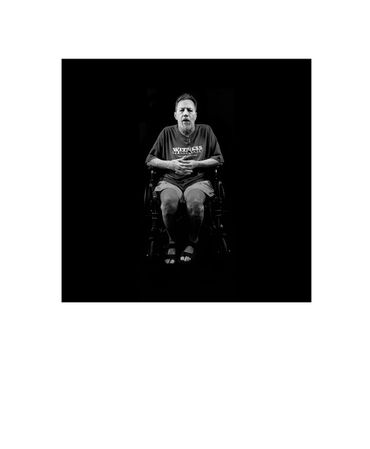

La serie fotográfica pretende abordar diversas problemáticas relacionados con el universo racista de la especia humana.


Mientras la pena de muerte esté vigente en el mundo, existen muchas garantías que ocasionalmente ejecutaras a una persona inocente.

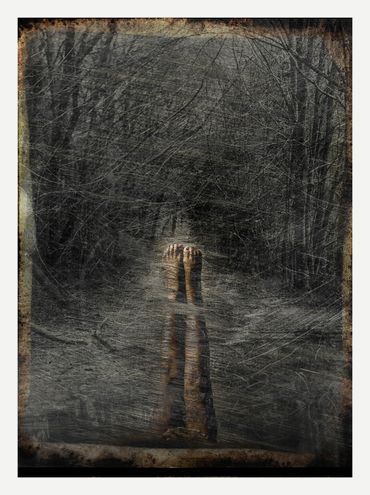
Horizontal

Horizontal

Horizontal


Sun creeps to the horizon,
In silent and slow-paced chariot
With crimson face and pale eyes.
To a citadel of hope he travels
For open out an empire of thought
Womb of desire fecundate there again

To elicit us from the sullen pall of

darkness.
To rise up with a crystal face again.
But at times our mind will sink
Under that horizontal point
At crepuscular moment of our life. 


Vipins Puthooran 


Horizontal


El sol se arrastra hacia el horizonte,
En el carro silencioso y de ritmo lento
Con la cara carmesí y los ojos pálidos.
A una ciudadela de esperanza que viaja
Para abrir un imperio del pensamiento
Vientre del deseo fecundante allí otra vez
Para sacarnos del manto sombrío de la oscuridad.
Para levantarse con una cara de cristal de nuevo.
Pero a veces nuestra mente se hunde
Bajo ese punto horizontal
En crepuscular momento de nuestra vida.


Vipins Puthooran 

DIGITAL
Copyright © 2026 Pablo Bobbio Ph.D - Todos los derechos reservados.


Con tecnología de